Why Learning European Languages Is Easier Than You Think
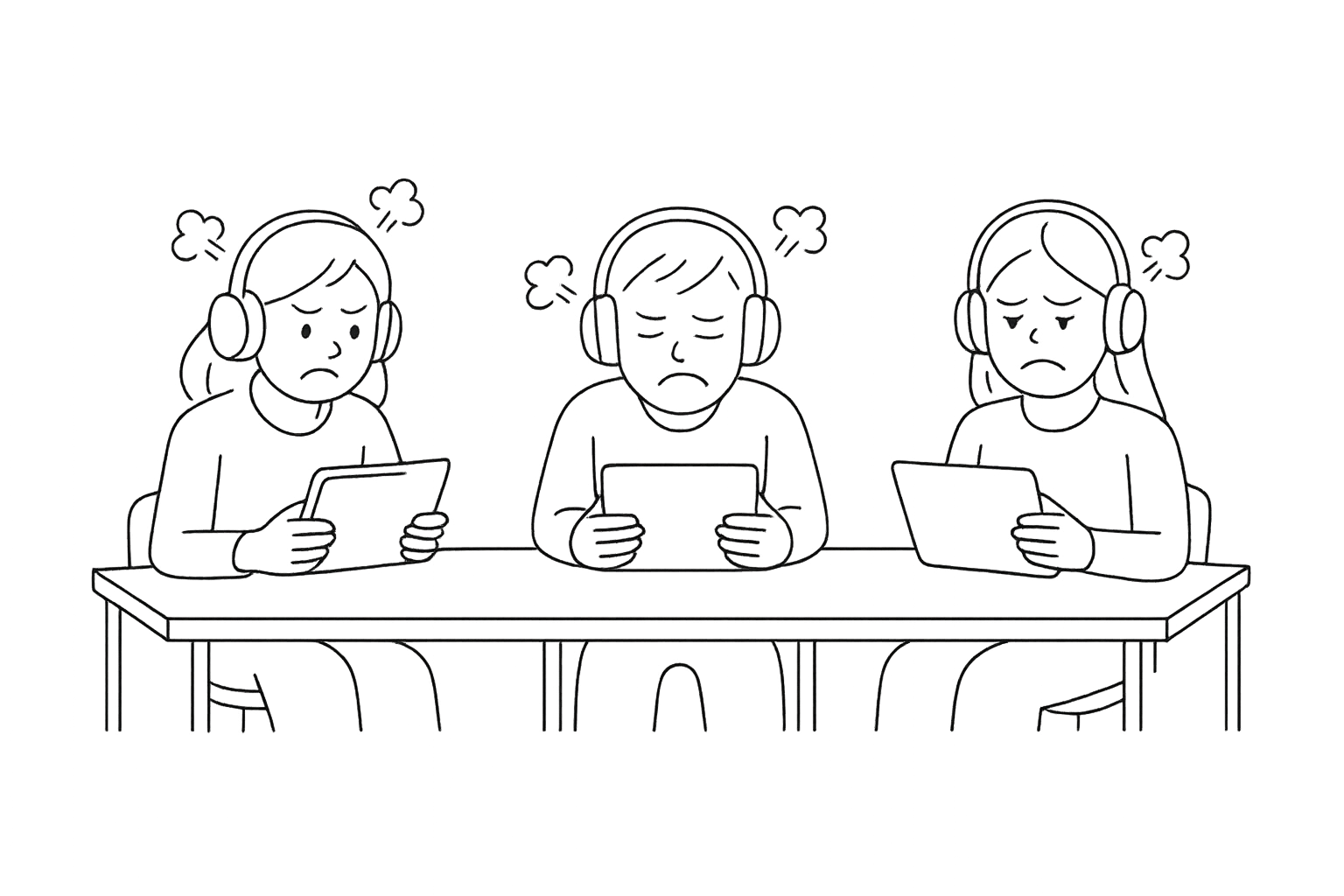
For many of us, memories of language lessons at school are far from inspiring. For instance, after years of drills and studying English as a foreign language, many could barely introduce themselves or mumble that “London is the capital of Great Britain”. No wonder adults often approach languages with dread.
And yet, polyglots prove otherwise. They manage to pick up Spanish, German, French, Russian, and more. Do they know something we don’t? The truth is simpler than you think. European languages are closer to each other than most people realise, and your brain is already primed to leap.
Spot the Family Resemblance
Take the Slavic languages. A Russian speaker meeting a Serbian may not understand much at first, but after a few weeks of exposure, words and patterns start clicking into place. That’s because most of their vocabulary has common roots. The same goes for Ukrainian and Belarusian in the East, Polish, Czech, and Slovak in the West, and the South Slavic tongues such as Croatian, Bosnian, Bulgarian, Macedonian, and Slovene.
The Western European family shows similar links. French, Italian, Spanish, and Portuguese are so interwoven that once you learn one, you already hold the key to the others. Add Romanian and Catalan to the mix, and the picture becomes even richer. On the Germanic side, German and Dutch share grammar and vocabulary that English learners will find oddly familiar. The Scandinavian languages, such as Swedish, Norwegian, and Danish, form their own tight-knit cluster with much the same effect.
Languages may differ in sound and structure, but your brain loves spotting patterns. Once you notice that “libro” in Spanish, “livre” in French, and “Buch” in German all point back to “book”, you start making mental bridges.
Tune Your Ear Before You Speak
Sound is often the biggest hurdle. Slavic languages are filled with hissing consonants; German strikes with sharp endings; French runs words together in a smooth, flowing rhythm. At first, it’s overwhelming. But the more you expose yourself to radio, music, or films, the faster your ear adapts.
A Ukrainian living in Poland, for instance, may feel lost in conversation at first. But after a month of daily listening, sentences become clearer without extra study. Your brain adjusts naturally, just as it did when you were a child learning your first words.
Small Steps Beat Heroic Efforts
When tackling European languages, consistency is your best friend. Daily practice of 20–30 minutes outperforms a single five-hour session on the weekend. Psychologists have shown that knowledge fades quickly if you don’t return to it soon. That’s why little and often works: your brain locks in the patterns before they slip away.
Try learning a handful of new words, then using them straight away. Order a croissant in French, ask for directions in German, or write a text in Polish. Each small win builds both confidence and memory.
Make It Fun, Not a Chore
No one fell in love with a language because of grammar tables. Joy fuels progress. If you’re into history, read about Napoleon in French or Catherine the Great in Russian. If you love comedy, you can watch stand-up from Spain or sketches from Poland. Gamers can switch their favourite RPG into German or Italian and pick up dialogue in real time.
Humour and entertainment make languages stick. A Spanish song hummed at the bus stop will do more for your memory than another round of verb drills.
The Real Secret
Learning European languages isn’t really about talent. It totally depends on your approach. Slavic and Western European tongues are rich, musical, and surprisingly connected. By spotting the family ties, training your ear, practising daily, and keeping it fun, you can become fluent in any of them.
If polyglots can juggle Russian, German, French, and Italian, why not you?