Old Church Slavonic as The Hidden Voice Behind Balkan Languages
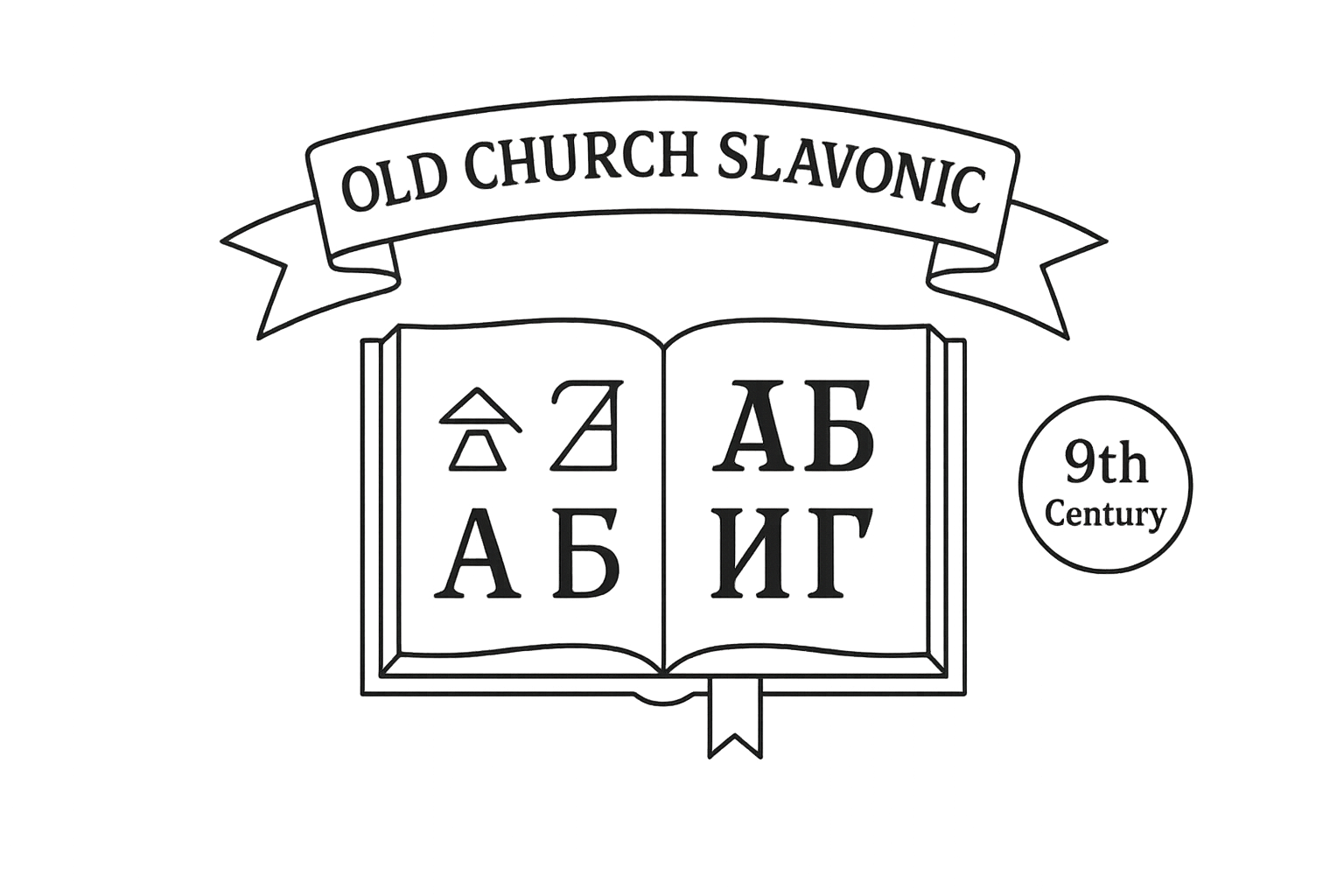
Step into a café in Serbia, a market in Bosnia and Herzegovina, a street in Croatia or Montenegro, or a square in Slovenia, and you’ll hear the threads of a language that no one speaks anymore but everyone uses every day. Then, if you travel further east toward Macedonia or Bulgaria, you’ll notice its remnants are just as strong. Even phrases like slava (celebration), bog (God), or kniga (book) trace back to Old Church Slavonic, often called the first written Slavic language.
It may sound medieval, but its fingerprints are still fresh. Much like Latin in Western Europe, Old Church Slavonic gave the Balkans a common written code and many of its words and patterns survive in today’s languages. Moreover, although Russian, Ukrainian and Belarus isn’t a Balkan language, it also grew out of this same source language, from medieval prayers to modern novels and also carries the stamp of Old Church Slavonic. That’s how important this language is!
Everyday Words with Ancient Roots
Old Church Slavonic isn’t just dusty manuscripts and it still lives in daily speech. Here are some examples:
voda → “water” in Serbian, Croatian, Bosnian, Macedonian, Bulgarian, and Slovene. Order a bottle of voda in any of these countries, and you’re speaking a word that’s over a thousand years old.
mlijeko / mleko / mlyako → “milk” in Bosnian, Croatian, Serbian, Macedonian, and Bulgarian.
zemlja → “earth/land” across all South Slavic languages. It even doubles as the everyday word for “country” (moja zemlja = “my country”).
brat → “brother” also across all South Slavic languages. In Bosnia and Serbia, young people even use brate! like “mate!” in English.
srce → “heart” beats in love songs and phrases like iz sveg srca — “with all my heart.”
Shared Grammar Too
Old Church Slavonic didn’t just give the Balkans new words — it left its fingerprints on the grammar as well.
- Double negatives → In Serbian (ne znam ništa) or Macedonian (ne znam ništo), saying “I don’t know nothing” isn’t a mistake — it’s the normal way to speak. Stacking negatives for emphasis comes straight from Old Church Slavonic, and it’s still the done thing today.
- Verb aspects → These languages also split actions into two kinds: unfinished and finished. Serbian uses pisati for “to be writing” and napisati for “to finish writing.” That neat distinction, polished through Slavonic texts, is now baked into everyday talk across the region.
Grammar may sound dry, but these quirks are the nuts and bolts of Balkan Slavic speech — habits passed down for over a thousand years that people still use without giving them a second thought.
Why It Still Matters
So why should anyone outside the Balkans care? Because Old Church Slavonic shows how a language can outlive its own speakers. Nobody speaks it as a mother tongue anymore, yet it still colours everyday words.
Think of it as the Balkans’ Latin: a unifying tongue that once gave shape to thought and faith, and still hums quietly in the background of modern speech.
Next time you hear a Bosnian say kniga, or a Serbian friend invites you to their family slava, remember that you’re hearing the voice of a language written down over a thousand years ago.