Have you ever heard someone dramatically declare that Mandarin is “impossible” or that Arabic made them want to cry after one lesson? It seems that everyone has an opinion about which languages are the most difficult to learn. But what does that even mean? Is there a scientific reason why some languages twist our tongues and fry our brains, or are we just blaming grammar for our commitment issues?
The truth is that a language is never complex in and of itself.
It’s hard for you. And that changes everything.
Think about it. If you’re an English speaker, learning German might feel like moving to a neighbouring town with a few extra grammar rules and a fondness for compound words. But try jumping from English to Japanese, and suddenly, your entire sense of sentence structure, politeness levels, and even the alphabet feels like it’s been thrown into a blender. The challenge doesn’t lie solely in the language. It lies in how far it is from what your brain already knows.
And then there’s grammar. Some languages let you off easy. You just need to remember a few verb forms, maybe some plural rules, and you’re good to go. Others turn language learning into mental gymnastics.
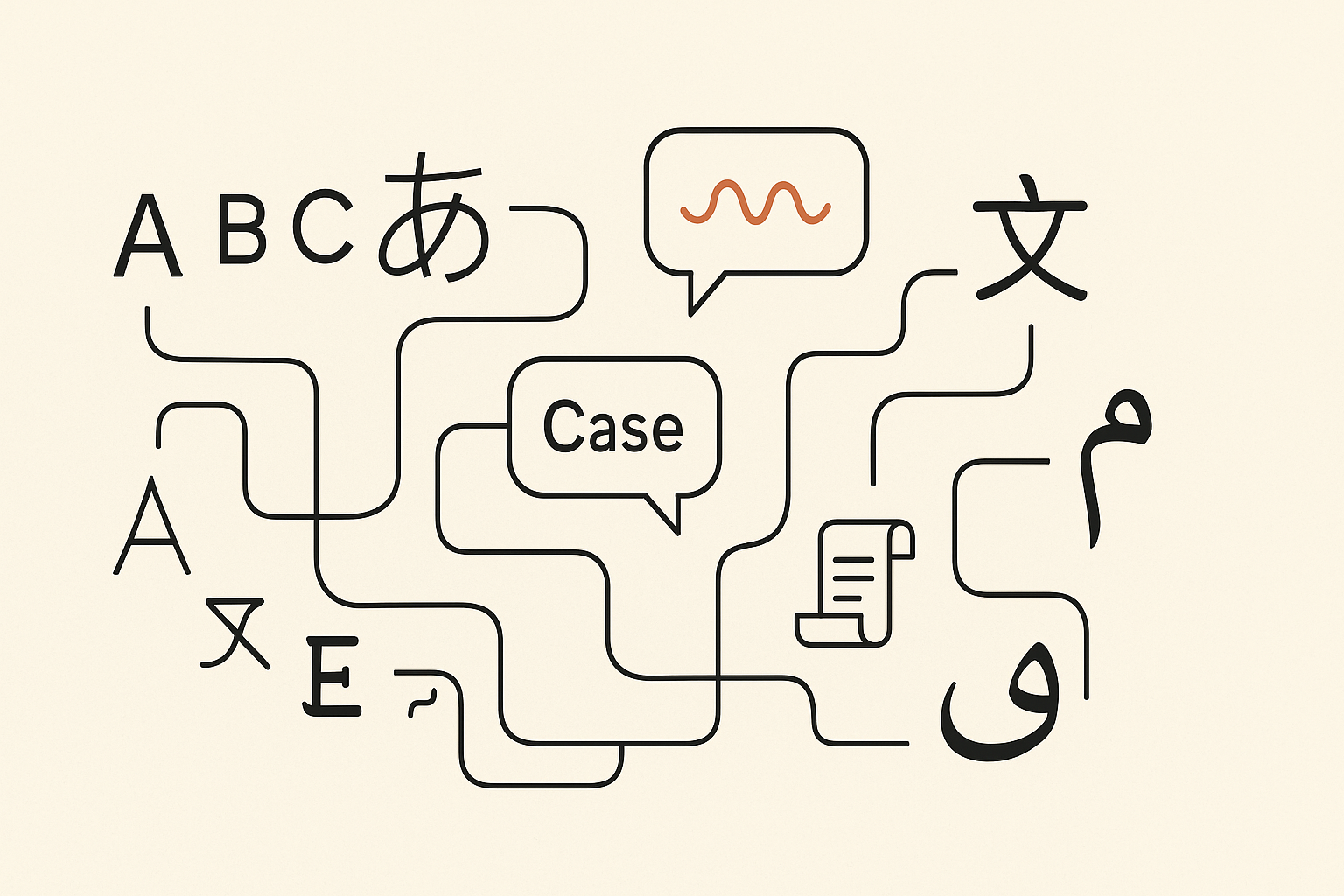
Finnish, for example, is famously known for having fifteen grammatical cases. That means one little noun can wear fifteen different hats depending on where it stands in the sentence. Russian verbs come with something called aspect, which basically makes you think deeply about whether an action was completed or ongoing, and that’s something you probably never thought twice about in your native tongue.
But let’s say you’ve got the grammar under control. Great. Now, can you say it? That’s where pronunciation throws its next punch. Some languages have sounds that simply don’t exist in your native language, so your tongue just sits there in protest.
French gives you that silky, throaty “r” that sounds elegant when Parisians do it, and it feels like you need a throat lozenge when you do. And if you’re learning Mandarin, you’d better be able to distinguish “ma” from “ma” because one might mean “mother” and the other might mean “horse.”
Still not intimidated? Great, let’s talk writing. While English speakers can get by with 26 letters, other languages decided that was far too simple.
Chinese doesn’t have an alphabet at all. It uses thousands of characters that you just… have to memorise. Arabic switches things up by writing from right to left, and the letters change shape depending on where they sit in a word.
Of course, some of the most “difficult” things about learning a language don’t even show up in textbooks. They live in the culture. For instance, in English, when we say “How are you?” we don’t really want an answer, while in other cultures, that question is an open invitation to discuss your emotional state, lunch, and possibly childhood trauma.
So, what actually makes a language difficult? It’s not the number of tenses or cases or tones; it’s how far that language sits from your own comfort zone. It’s how ready your brain is to adapt to new patterns, unfamiliar sounds, and cultural quirks. And perhaps most importantly, it’s about how much you enjoy the ride. Because here’s the secret: the most complex language is the one you don’t want learning.
If you’re motivated, curious, and willing to laugh at your own mistakes (and maybe mispronounce a few words along the way), then even the “toughest” language becomes a puzzle and reward. And isn’t that why we fall in love with languages in the first place?
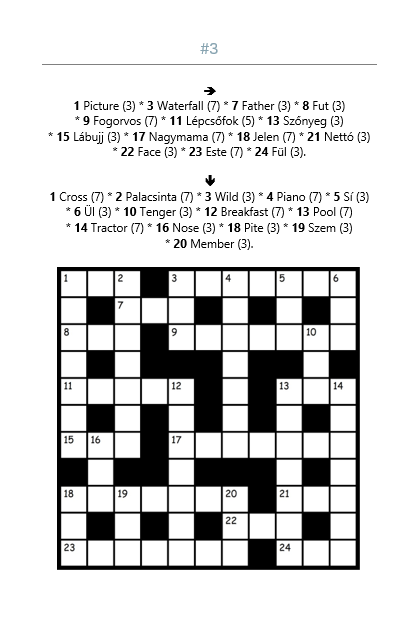
Enjoyed this? Explore our bilingual puzzle books that turn tricky vocab into fun practice—perfect for keeping motivation high.