How Learning a New Language Changes Your Brain
If you’ve ever tried to learn a new language, you already know the drill. But did you know that even
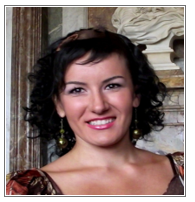
I’m a writer, editor, polyglot and lifelong traveller with a suitcase always full of books and dictionaries. I completed three Master’s degrees (Linguistics, International Relations and Psychology) and a PhD at the State PFUR University in Moscow, but I still believe that the best lessons come from real communication with real people.
Over the years, I’ve worked with international organisations as a researcher, translator and scientific editor, moving between cultures, projects and languages with the same curiosity that led me into academia in the first place.
At home, life is just as multilingual. I’m happily married in a multicultural family, and together my husband and I are raising our four boys in a lively, multilingual home that never runs out of energy.
If you’ve ever tried to learn a new language, you already know the drill. But did you know that even
Have you ever opened a Slavic language textbook and thought, Wait… why does everything have a gender? Why is a
You don’t need a “language brain” to learn. Polyglots aren’t superhuman—they start small, stay curious, and keep a language close with tiny daily touches. They embrace mistakes, skip perfectionism, and focus on using what they know. Lower the pressure, build steady habits, and fluency grows quietly underneath the errors.
People say Mandarin is “impossible” and Arabic “brutal”—but “difficulty” depends on you. Distance from your native patterns, sounds and culture matters far more than grammar counts.
Old Church Slavonic, the Balkans’ ‘Latin,’ still shapes speech across Serbia, Bosnia, Croatia, Slovenia, Macedonia and Bulgaria—from voda and zemlja to double negatives and verb aspects. Discover how a language nobody speaks keeps whispering through words, customs and grammar today.
Latin didn’t die with Rome—it simply changed jobs. From army camps to monasteries and universities, it stitched Europe together, giving rise to the Romance languages and enriching English with everyday terms. Explore how roots and lunar echoes still shape what we say.
European languages are closer than you think. Once you spot family resemblances, tune your ear to the media and practice little and often; progress snowballs. Make it fun—songs, films, games—and watch confidence soar. If polyglots can juggle several, why not you, right now?